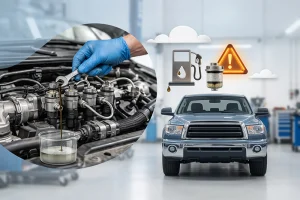

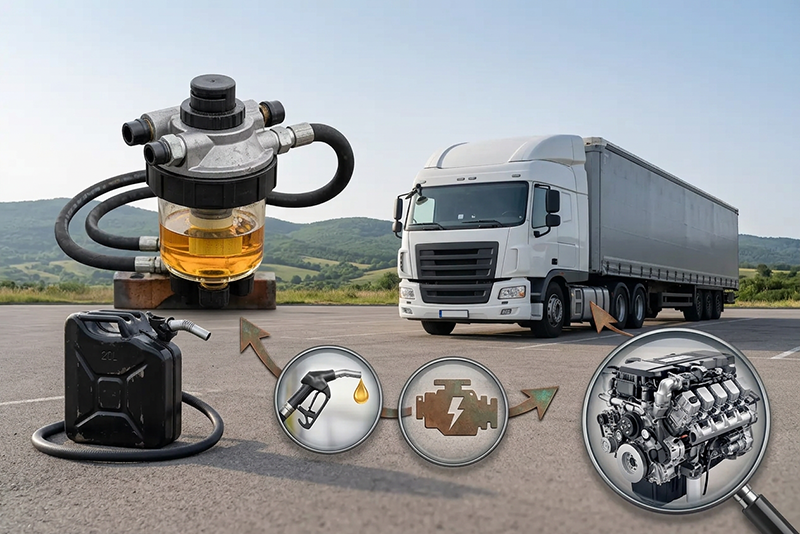
Air in a diesel fuel system can turn a routine filter change into a no-start call, a rough-running truck, or an expensive component failure. This fuel system priming guide covers the practical checks and safe priming methods that help get fuel moving again without abusing injectors, fuel pumps, or starter motors.
Diesel fuel systems are designed to move liquid fuel, not compress air. Once air enters the supply side, the system may lose prime and fail to build the pressure needed for combustion. The correct procedure depends on the engine platform, fuel system design, and where the system was opened. A mechanical lift-pump engine is not primed the same way as a late-model common-rail pickup or a heavy-duty electronic diesel.
When a Diesel Fuel System Needs Priming
Priming is usually needed after replacing fuel filters, draining a water separator, servicing fuel lines, replacing an injection pump or lift pump, running the tank empty, or repairing a leak on the suction side of the system. Even a loose filter gasket or cracked fuel line can allow air in without leaving an obvious fuel puddle.
A truck that cranks normally but will not start after fuel-system work is a common sign of lost prime. Other signs include a brief start followed by stalling, extended cranking, surging at idle, low-power operation, and fuel filter housings that will not stay full.
Do not assume every no-start condition is air-related. Verify that the truck has adequate fuel, good batteries, proper cranking speed, and no active fault conditions that could prevent injection. Priming will not correct a failed fuel pump, plugged pickup tube, damaged injector, or electrical fault.
Before You Prime: Protect the Fuel System
Cleanliness is not optional on modern diesel engines. Contaminated fuel can damage injectors and high-pressure pumps quickly, especially on common-rail systems with tight internal tolerances. Wipe the filter housing, fuel cap area, line connections, and tools before opening the system. Use clean diesel fuel only when a manufacturer-approved procedure calls for pre-filling a filter.
Confirm that the replacement filter is correct for the application and that every seal is in the proper location. A doubled O-ring, pinched gasket, loose drain valve, or incorrectly installed water-in-fuel sensor can create a suction leak that makes priming impossible.
Before starting, inspect these common problem areas:
- Fuel filter lid seals, drain plugs, and water separator valves
- Quick-connect fittings and rubber supply hoses for cracks or loose retainers
- Fuel tank level and tank-side pickup or supply-line damage
- Lift-pump electrical connectors, fuses, and relays on electronically controlled systems
If the old filter contained metal debris, heavy water contamination, or unusual black residue, stop and investigate before installing new parts. A fresh filter alone will not protect a new pump or set of injectors from a contaminated fuel supply. In that situation, the right repair may involve a complete contamination kit and tank cleaning rather than repeated priming attempts.
Fuel System Priming Guide: Choose the Right Method
Always follow the vehicle or engine manufacturer’s service procedure first. The methods below are widely used, but the correct sequence, key-on time, and bleed location vary by engine.
Electric Lift Pump and Key-Cycle Priming
Many newer diesel pickups and medium-duty trucks use an electric lift pump or an in-tank supply pump. These systems often prime through repeated key cycles. Turn the key to the run position without cranking, let the pump run through its cycle, then turn the key off. Repeat this process several times before attempting to start.
Listen for the pump. A brief hum from the tank or frame-mounted pump usually indicates it is running, but sound alone does not confirm adequate fuel flow. If the pump does not run, check the relevant fuse, relay, wiring, and command circuit before continuing.
After cycling the key, crank the engine in short intervals. A good rule is 10 to 15 seconds of cranking followed by a cooling break for the starter. Continuous cranking overheats the starter and drains batteries without fixing an air leak.
Hand Primer Pump Systems
Some fuel filter housings include a manual plunger or hand primer. Open the specified bleed screw or vent only if the manufacturer calls for it, then pump the primer until fuel flows free of visible air bubbles. Close the vent before the final pumping strokes if that is the recommended procedure for the housing.
A hand primer that never becomes firm often points to an air leak, an open drain valve, a defective primer assembly, or a filter seal problem. Do not keep pumping indefinitely. Recheck the filter installation and supply-side connections.
Mechanical Lift Pump and Bleed Screw Systems
Older mechanical diesel engines may use a mechanical lift pump and bleed screws on the filter head, injection pump, or both. Start at the lowest-pressure point specified by the service procedure. Operate the hand lever on the lift pump until clean fuel exits without air, then tighten the bleed screw and move to the next point if required.
The position of the engine can affect a mechanical lift pump’s hand lever. If the lever has no resistance, rotate the engine slightly by bumping the starter or turning it by hand according to safe service practice. This can move the pump cam to a position where the lever will work.
Common-Rail Systems: Do Not Crack Injector Lines
Modern common-rail diesel systems operate at extremely high pressure. Never loosen high-pressure injector lines to bleed air while cranking or running the engine. Fuel spray from a high-pressure system can penetrate skin and cause a severe medical emergency.
Most common-rail engines are designed to self-bleed once the low-pressure side is properly primed. Use the electric pump cycle, hand primer, scan-tool function, or manufacturer-approved procedure. If the engine still will not start after proper priming, diagnose fuel supply pressure, rail pressure, sensor data, and fault codes instead of opening high-pressure connections.
Starting the Engine After Priming
Once the low-pressure system is primed, start the engine without touching the accelerator unless the manufacturer specifies otherwise. It may run unevenly for a few seconds as remaining air clears. Let it idle and inspect the filter housing, drain, line fittings, and fuel pump area for leaks.
Do not immediately put the truck under a heavy load. Allow it to idle until it stabilizes, then perform a short road test while watching for hesitation, power loss, warning lights, or fuel odors. Recheck the filter housing after the test. A small air leak can appear only after vibration and normal fuel flow return.
If the engine starts and dies repeatedly, do not keep cycling the starter. That pattern often means the system is drawing air or fuel delivery is restricted. Check for a collapsed hose, plugged filter, loose connector, failed lift pump, or a tank pickup issue.
Mistakes That Create Bigger Repairs
The fastest way to make a simple filter job expensive is to force the system through a problem. Avoid using starting fluid on modern diesel engines, especially those equipped with intake heaters or glow plugs. Avoid shop air unless the manufacturer specifically directs its use, since excessive pressure can damage seals or push contamination through the system.
Do not pre-fill every fuel filter automatically. Some systems permit it, while others can be contaminated through the filter’s outlet side or have a specified dry-install procedure. When pre-filling is approved, use only clean, filtered diesel fuel from a clean container.
Also avoid swapping parts based only on a no-start symptom. A failing high-pressure pump, injector return-flow problem, low rail-pressure condition, or damaged wiring harness can look like a lost prime. Proper diagnosis saves time, protects the customer’s budget, and prevents repeat downtime.
When Priming Will Not Solve the Problem
If the truck will not hold prime, the root cause must be repaired before it returns to service. Persistent air intrusion is often found at filter seals, water separator drains, quick-connect fittings, cracked hoses, tank-module connections, or a failing primer pump. On some applications, a weak lift pump may run audibly but fail to deliver the volume or pressure required by the injection system.
For fleets and repair shops, this is where part quality matters. A fuel-system repair is only as dependable as the pump, injector, filter housing, seals, and installation components used to complete it. American Diesel Parts supplies tested diesel fuel-system components for major commercial and pickup platforms, helping technicians match the repair to the engine instead of settling for a questionable fit.
Treat a lost prime as a diagnostic clue, not just an inconvenience. Find where air entered, verify clean fuel reaches the pump, and prime the system using the method built for that engine. That approach gets the truck back on the road with less cranking, fewer repeat repairs, and better protection for the diesel components that keep it earning.